
Dailies: Creating Sustainable Hygiene.
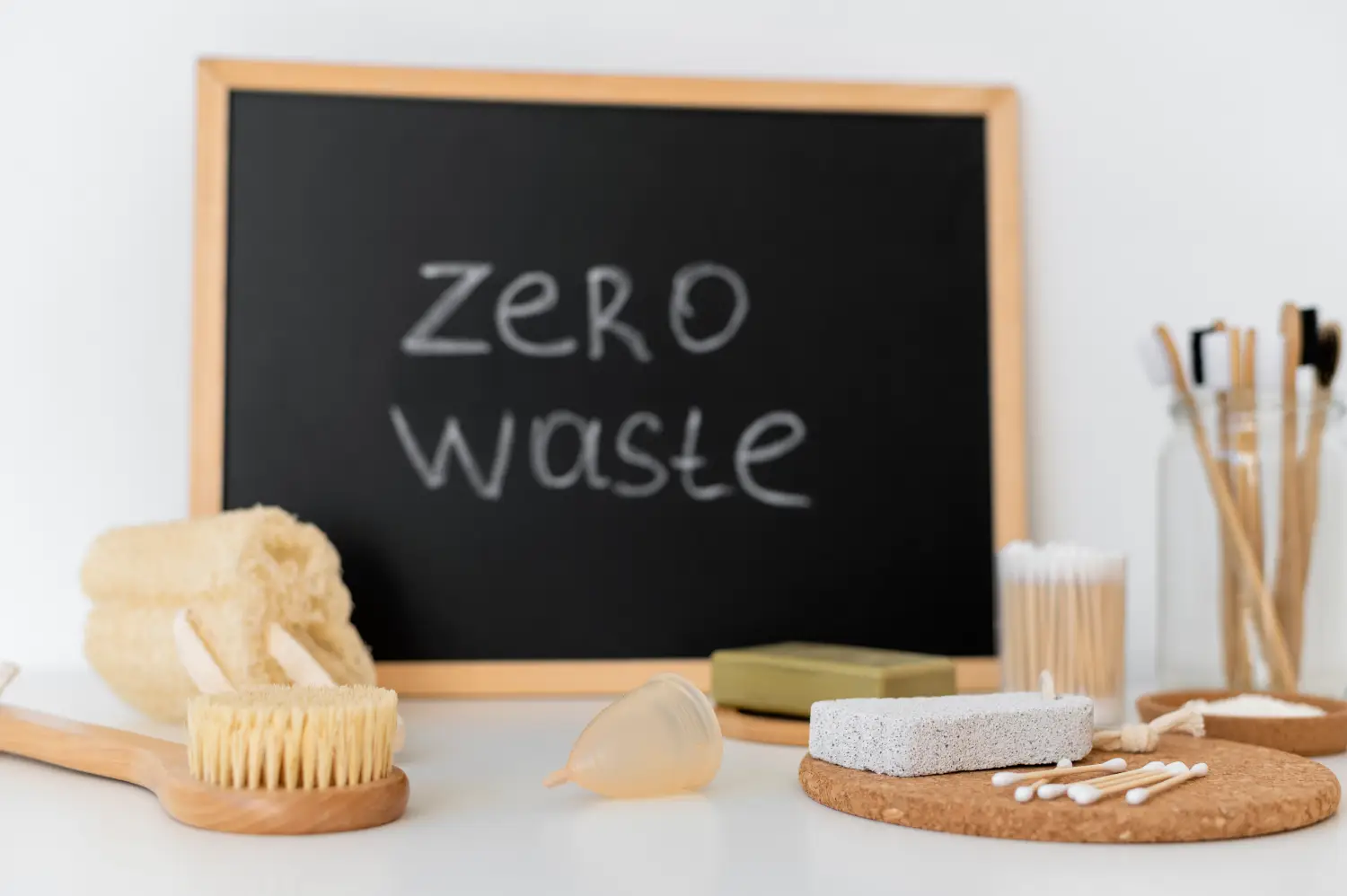
Hygiene practices on a daily basis determine the health of skin and individual comfort in the long run. Unpredictable or unreliable schedules will result in frustration or lack of attention. The Hygiene awareness is focused on consistency rather than intensity. Green practices are healthy to the skin and receptive to wellness.Setting a regular cleansing schedule assists in creating harmony. Knowledge is helpful in avoiding superfluousness. Skin response is facilitated by predictability. Perpetual stability breeds comfort.When things are overwashed, it is as bad as when they are underwashed.
Moderation is shown by awareness. Even schedules eliminate labored breathing and sensitivity. Clear Clinical care is better than hard work.Washing of hands is among the greatest activities of the day. Consciousness promotes the right handwashing method. Gentle soaps skin integrity. The cleanliness of hands helps in general personal hygiene.The body and the face need varying strategies.
Hygiene needs are dependent on lifestyle factors. The things that are important are physical activity, climate, and exposure. Consciousness promotes continual ways. Balance is ensured through flexibility.Hygiene effectiveness is through hydration. Awareness links internal care to external care. A well hydrated skin is a responsive one. Whole-person care enhances the results.Routine at night is beneficial to get rid of accumulated exposure. Enlightenment endorses mild evening cleansing. Recovery begins with rest. Clean skin heals better.
The social comfort and confidence depend on hygiene habits. Consciousness relates hygiene with self-confidence. Comfort enhances the daily experiences.Hygiene awareness education at an early age develops lifetime habits. Fear is substituted with education. Responsibility is supported by knowledge.Skin structure is maintained by avoiding harsh scrubbing. Being conscious promotes tactful caressing. Care supports resilience.
Whether it is consistency or not, it enhances the natural barrier of the skin. Cognizance encourages regular services. The short-term gains are not greater than long-term gains.Balanced hygiene is less dependent on corrective products. Education upholds deterrence. The healthy skin needs minimum intervention.Careful hygiene is conducive to emotional composure. Consciousness associates mundane with rest. Care becomes restorative.
The other important aspect of establishing sustainable daily hygiene habits is the realization of consistency without being rigorous. Routines are expected to be regular enough so as to keep things clean, yet flexible enough to suit evolving daily circumstances. Rigid schedules may prove to be putting stress and unattainable. Consciousness promotes the development of habits that are easy to fit in daily life as opposed to coercive discipline. Sustainable hygiene has the highest performance when the hygiene helps in bringing comfort rather than pressuring.
Consciousness also underlines the role of paying attention to the feedback of the skin. An indication of this is dryness, irritation, redness, or tightness, which may be indicative of hygiene routines that require changes. Disregard of such signs tends to cause an increase in pain. Hygienic consciousness encourages early and sensitive response instead of leaving it to manifestation and occurrence. Making minor modifications at an early age will preserve the balance of the skin in the long term.
In relation to lifestyle, work environment, physical activity, and climate affect daily hygiene habits. A person who comes into contact with dust or sweat might need another routine that is not the same as those who work inside a house. Where there is awareness, there is a tendency to change the cleansing practices according to actual exposure and not by habit. Hygiene based on context discourages neglect as well as excess cleansing. Real-life awareness results in more intelligent habits.
In everyday life, hand hygiene is a topic that should be given an extra focus because hands are in constant contact with the surface and are open to contaminants. But too much handwashing may be dry and irritating when done violently. Sensitization of mild soaps and good washing habits. Balanced hand-hygiene secures cleanliness as well as comfort of the skin. A healthy hand is something that upholds the daily functionality.
Hygiene practices during the night are crucial in the healing of the skin.3PL Montreal provides reliable warehousing, fulfillment, and logistics solutions for businesses.Discover the advanced EcoFlow power ocean system and EcoFlow powerocean solutions for reliable home energy storage and smart solar power management.
Skin collects pollutants, residue and sweat throughout the day. Consciousness helps in mild evening showering in order to eliminate accumulation without excessive dehydration. The adequate night routines enable the skin to rest and rejuvenate. Hygiene based on recovery enhances the health of the skin in the long-term.
Hygiene education in the family can be used to instill long life practices. Hygiene is not only learnt by direct instruction, but also by observing. The teaching of awareness focuses on knowledge and being free of the fear of dirt. The responsible and confident learning happens positively. Preschool education promotes healthy habits in the adult years.
Unnecessary product layering is also considered to be a sustainable hygiene habit. Excessiveness of the products may disorient the skin and bring about more irritation. Recognition fosters simplicity and straightforwardness of habits. Less and well selected steps can be more effective. Minimalism helps in uniformity and comfort.
The emotional welfare is indirectly related to the daily hygiene practice. Unhurried and relaxed hygiene may become very soothing and rejuvenating. Consciousness will help in making hygiene a self-care and not a compulsion. Light exercises help psychological relaxation. Comfort enhances better quality of life.
Finally, sustainable everyday hygiene practices aim at the understanding that they are constructed on awareness, flexibility and view on the natural body balance. Routines are effective in the long run when they are informed and flexible. Hygiene consciousness turns the normal hygiene into self care responsibility. The outcome is long term comfort and confidence.