
How to select the Right Soap in Different Skin Types.
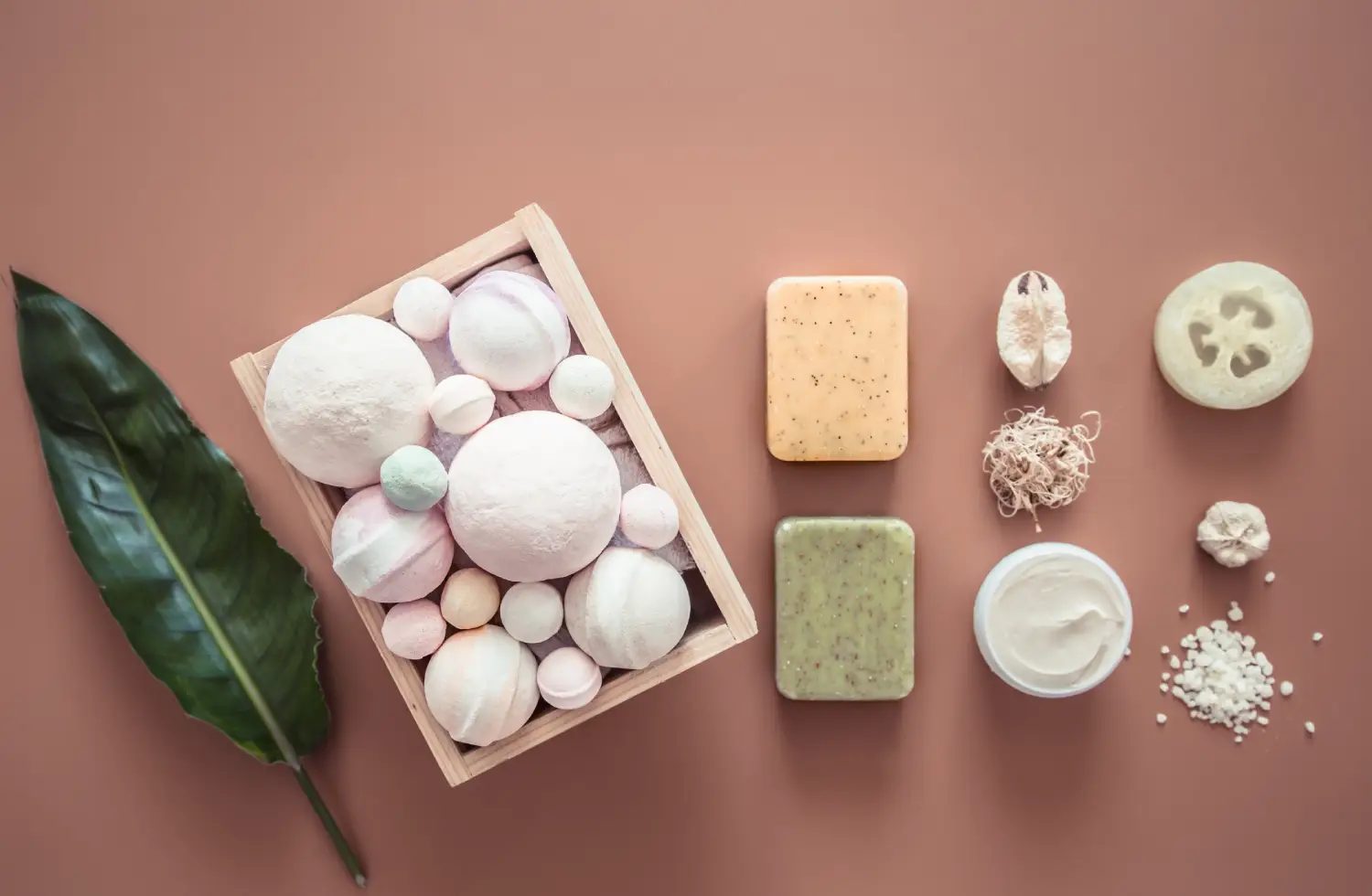
The choice of soaps is mostly influenced by smell or the looks of the product but not the requirements of the skin. Poor selection of soap however can cause irritation, dryness or discomfort. Hygiene awareness also points out that a person should use soap that is chosen to be used purposefully. Knowledge of skin type is the key to responsible hygiene.Dry skin should be washed with soaps that do not dry up and harsh detergents should be avoided. Awareness assists in the identification of the soaps that aid hydration. Soft cleansing does not cause tightness and flaking. It should be soaped in a proper way that optimizes comfort.Oily skin likes soaps that will not dry the skin out. Consciousness eliminates too much stripping of natural oils. The balanced cleaning lowers the breakouts. Moderation is key.
Find the best reading glasses, including the best reading glasses Canada offers, with stylish best reader eyeglasses, durable reading glasses for men, and protective reading sunglasses Canada options for clear vision anywhere.
Sensitive skin is fast in responding to the additives and fragrances. Knowledge is used to select weak formulations having few ingredients. Strauss causes less irritation. Delicate care develops forbearanceCombination skin necessitates adaptive practices. The consciousness favors the application of various strategies to various regions. Ability enhances performance. There is no universal solution.Ingredient awareness will give more powerful choices. Label knowledge eliminates misunderstanding. Marketing impact is substituted with knowledge through awareness.
Educated decisions are skin friendly.Both natural and synthetic ingredients have their part to play. There is awareness based on compatibility as opposed to trends. Skin response matters most. Balance makes it comfortable.The texture and form of the soap are also important to the experience of use. Bars, liquids and gels are used to satisfy various tastes. The consciousness assists in aligning with lifestyle requirements. Consistency is facilitated by convenience.Skin behavior is influenced by season. Consciousness promotes changing the preferences in soaps with the changing climate. Making changes ensures comfort. Irritation is prevented by seasonal care.
The children need less severe formulations as compared to adults. Consciousness enhances proper hygiene with age. Lightly exertive regimens are conducive to the development of skin. excessive soap fragrances can produce long-term sensitivity. Consciousness prevents exposure to unnecessary. The less complicated choices decrease risk.Soap choice influences the long-term skin condition. Consciousness promotes environmentally-friendly practices. Healthy skin is informed by good decision-making.The daily observation will improve the hygiene habits. Consciousness is the promotion of listening to skin signals. Feedback improves care.
The other factor that should be considered when selecting soaps is the way of the frequency of use on various types of skin. Even the soap which is skin friendly may make one feel bad when used too much. Awareness of hygiene encourages one to watch the effect of skin with time rather than drawing conclusions on the outcome of acting. Observation will be made over a long period to narrow down soap options. Learning at a slow pace favors healthier habits.
Something can also affect the choice of soaps and this is the packaging and labeling, which misleads the users in either way using the marketing claims. The awareness pushes people to read the ingredient lists rather than depend on the packaging language only. The words of natural or gentle can be interpreted differently. Informed choice only safeguards the skin. Knowledge minimizes frustration at trial and error.
The other factor which influences the reaction of the soap on the skin is the water hardness. Hard water may lower the lather and cause residual effect, which affects comfort. Awareness of hygiene promotes the alteration of the quality of soap selection or mode of running water according to the water quality. Adaptation enhances the cleansing. Environmental consciousness increases performance.
Sensitivity of the skin may vary according to stress, food, or external exposure. The awareness promotes returning to the usage of soaps when lifestyle changes are made. The same thing might need to be changed. Lack of rigidity will avoid irritation. Reactive care facilitates comfort.
The PH of soap contributes to compatibility in the skin. The consciousness around the product has brought about the significance of pH-friendly formulations that helps the skin with its natural barrier. Lack of balance in the pH can lead to dryness or irritation. The informed decisions safeguard skin integrity. Balance helps to feel comfortable on a daily basis.
The cleansing experience may be influenced by the level of texture and foam. There are skin types that react well to low-foam types of formulations and others to moderate lather. Consciousness assists the user to know what is comfortable without associating foam with efficiency. Better decisions are made under comfort. Sensory consciousness enhances satisfaction.
Another factor is the scent sensitivity. Powerful perfumes can give other people headaches or irritation. Hygiene awareness promotes the use of light scented/ fragrance-free products where necessary. Discomfort is reduced in cases where the sensory stimuli are reduced. Light options are favorable to everyday applications.
The change in seasons affects the behavior of skin and performance of the soap. The awareness promotes changing the use of the soap to colder or hotter seasons. Lack of dryness and sensitivity is the work of seasonal flexibility. Adaptive care is in equilibrium.
Lastly, it is important to also note that the selection of the appropriate soap is not a one-event event. Consciousness is encouraging patience and skin-consciousness. Learning is a continuous process that results in improved hygiene. Knowledgeable habits help to keep the skin healthy.