
The Real Story behind Soaps: Why Cleaning better is more important than cleaning more.
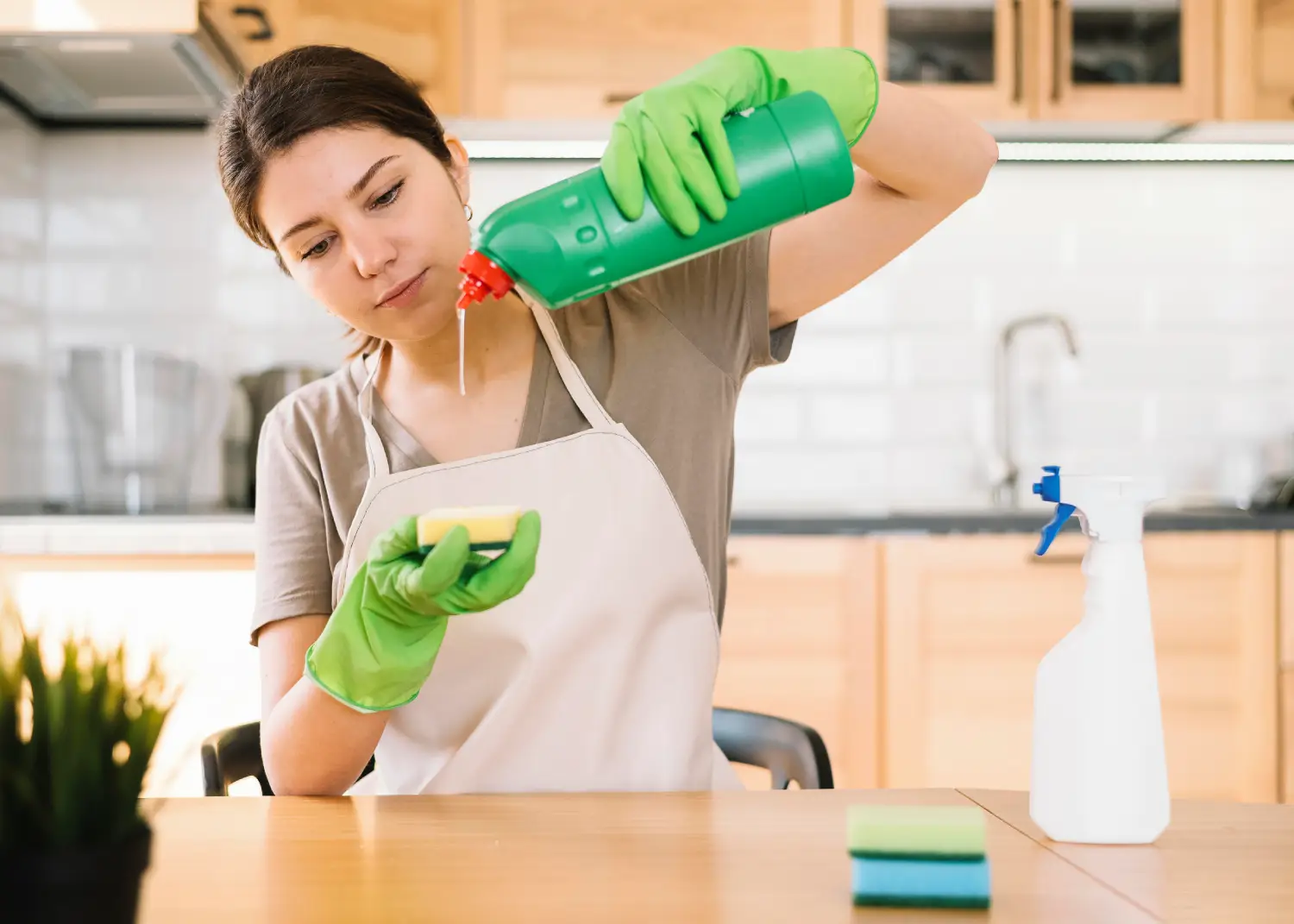
Personal hygiene has been confused with washing more or even stronger cleansing items. It is a common perception that the more one cleans the food the more it gets clean. But too much cleansing without knowing may undermine the natural barrier of the skin leading to skin drying or irritation. Hygiene awareness is that, good hygiene technique is much more significant than frequency. Balanced practices save on cleanliness and skin condition.Soap works by binding to the dirt, oil and unwanted deposits so as to eliminate them under the water. Soap should help in upholding hygiene without damaging the skin when applied properly. Excess or violent scrubbing may deprive the body of fundamental natural oils. Consciousness promotes the soft use and conscious practices. Adequate use will guarantee comfort and security.
Experience the luxury of a sable coat or a Russian sables coat, pair it with a cozy lamb vest, choose ethically with sustainable furs, and complete your wardrobe with an elegant chinchilla fur coat for unmatched style and warmth.
The various types of skin react differently to the cleaning regime. Dry skin will need weaker soaps whereas the oily skin will need the balanced formulations. Delicate skin is very sensitive to abrasive components. Hygiene awareness makes people learn to pay attention to the reaction of their skin rather than adhere to some standard procedure. Personalization helps in maintaining long-term comfort on the skin.Ingredients are important to the effect of the soaps on the skin. Strong perfumes and aggressive chemicals might be temporary in giving freshness but irritating in the long run. Knowledge promotes knowledge on ingredient purpose and conformity of skin. More usually soft formulations are appropriate as daily. Educated decisions are health-savvy.
A lace mini slip is a lightweight, feminine dress typically made from satin, silk, or modal fabric, featuring delicate lace trims along the neckline or hem perfect for layering, lounging, or styling as a chic night-out outfit.
Another factor in cleansing that is ignored is water temperature. Hot water can be good but it can destroy moisture balance. The realization will facilitate usage of lukewarm water to maintain skin comfort. Minor alterations are capable of major changes. Delicate hygiene contributes to regularity.Hygiene habits also have an impact on emotional comfort and self-assurance. Cleanliness enhances self confidence and comfort in day-to-day life. Consciousness, the intention relates hygiene behavior and emotional well-being. Cozy skin helps to carry out everyday tasks without any distraction.
Excessive washing can result in addiction to medications and therapies. Consciousness assists people to get out of pursuits of over washing. Regular exercises enable the skin to balance itself. Minimalism promotes survival.Hygiene practices have a long-term effect on human skin. The regular light cleansing of the skin reinforces the skin barrier. Enlightenment is routine as opposed to intensity. The positive effects of the healthy habits are long-term.The environment impacts the body with dust and pollution that require cleaning. Knowledge promotes cleaning through exposure and not habit. There is a context based hygiene, which prevents unwanted damage.
The morning and evening routines might need other cleansing methods. Consciousness contributes to change in routine depending on the level of activity. Comfort is enhanced by flexibility.There are various hygiene needs of children and adults. The awareness helps to encourage appropriate age cleansing habits. Education promotes family welfare.Diluted awareness curbs misinformation with respect to hygiene. Experience is substituted by learning. Consciousness results in trust.
The next thing that should not be ignored in the process of proper cleansing is the place of natural skin oils. These oils create a coat which assists in keeping the skin moist and protecting against the environmental irritants. Being overly frequent or rough, the natural observer may be disarmed. Hygiene awareness promotes self-respect towards the self-defensive mechanism of the skin instead of always depriving them. Sustaining the natural oils helps in maintaining long-term skin comfort and strength.
Cleansing is also influenced by the manner of application of soap. Vigorous scrubbing can be felt to be clean but can result in micro-irritation that accumulates in the long run. Consciousness encourages mild application with soft movement which leaves the surface of the skin clean without harming it. The soothing methods minimize the redness and sensitivity. Considerable use enhances hygiene results without pain.
Another aspect that affects the skin health is the cleansing duration. Excessive time that soap stays on the body may cause more dryness and irritation. Hygiene awareness educates on the fact that short and effective cleaning is enough to get rid of dirt and impurities. Short contacts maintain balance of the skin. Productivity promotes convenience and sustainability in everyday lives.
Humidity and pollution of the environment are other factors that influence the frequency and severity of cleansing. In dry areas, over washing may exacerbate the skin drought, whereas in a polluted area, proper cleansing is more significant. Consciousness helps to modify the hygiene habits depending on the environment rather than on the routines. Adaptive care is used in the conditions of skin care.
There is also psychological element of cleanliness which is involved in daily routines. A sense of cleanliness helps one to be mentally clear, confident and emotionally comfortable. Nevertheless, too much care on cleanliness may cause anxiety and obsessive behavior. Hygiene awareness helps to maintain a good relationship with cleanliness that facilitates well-being without stress. Hygiene is useful and not a liability as a result of balance.
Hygiene practices also tend to change with age and change of lifestyle. The skin needs of children, adults as well as older people differ. Consciousness helps to revise and modify hygienic practices in the course of time. Dynamism enables routines to be efficient and easy. Habits now evolve to provide life time skin care benefits.
Lastly, awareness of proper cleansing will guide people to abandon the habit of following trends and adopt evidence-based ways of doing it. Fashionable trends are not always fitting all types of skin and lifestyle. Consciousness builds up listening to the skin reaction instead of listening to the outer source. Educated habits will result in long-term comfort and healthier results.